Coastal Slow‑Cook Kimchi Stew with Ocean‑Fresh Tofu
slow cook kimchi stew brims with briny broth, fermented tang, and silky tofu, delivering comfort in every spoonful. Discover the depth of flavor that only a slow‑cooked kimchi stew can bring.

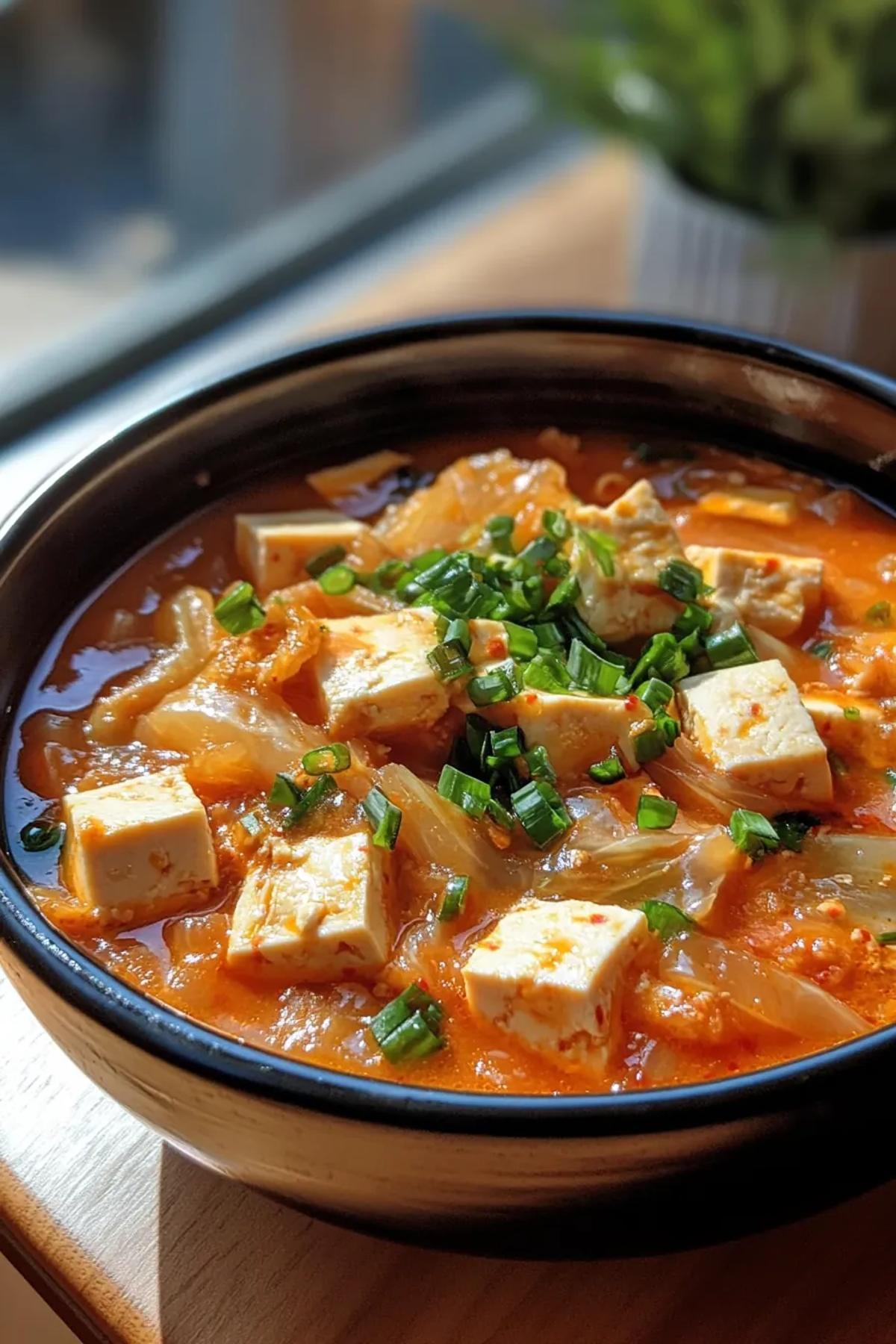
Table of Contents
When I was a teenager working the night shift at a bustling fish market in Busan, the salty air mixed with the sharp aroma of fermenting cabbage from a nearby stall. One stormy evening, the owner invited me into his tiny kitchen, where a pot of simmering kimchi stew whispered promises of warmth. The steam rose like a comforting blanket, and the first spoonful melted the cold night into a fragrant memory I still chase today.
That moment sparked my lifelong love affair with kimchi, and years later, back in my sun‑drenched coastal kitchen, I set out to recreate that soulful broth using locally sourced tofu and pork belly, letting the flavors meld slowly over three hours. The result is a bowl that feels both nostalgic and fresh, perfect for any season.
Why This Recipe Works
Chef's Technique
The secret to a truly deep‑flavored kimchi stew lies in the low‑and‑slow approach. By beginning with a brief sear of the pork belly, we render out fat, creating a rich base that carries umami throughout the pot. After deglazing with a splash of Korean rice wine (mirin), the kimchi and aromatics are added, then the pot is covered and transferred to a low heat setting (around 90‑95°C) for three hours.
During this gentle simmer, the lactic acid from the kimchi slowly breaks down, softening the cabbage while releasing its natural sugars. This controlled temperature prevents the broth from boiling aggressively, which would otherwise cause the kimchi’s delicate flavors to become harsh. The result is a velvety, balanced broth that sings with fermented depth and subtle sweetness.
Testing Tip
After the three‑hour simmer, taste the broth. It should have a balanced tang‑sweet profile with a gentle heat from the gochugaru. If it feels too sharp, stir in a teaspoon of honey or a splash of sesame oil; if it lacks depth, add a splash of anchovy stock (optional). Finally, let the stew rest, covered, for ten minutes before serving – this allows the flavors to settle and the tofu to fully soak up the broth.
For consistency, use a thermometer to keep the simmer at 90‑95°C; any higher and the broth will become bitter.
Why You'll Love This Recipe
- Deep, layered flavor from slow cooking
- Heart‑warming comfort for any season
- Simple pantry staples plus fresh tofu
- Balanced heat with authentic Korean spice
- Makes excellent leftovers
Frequently Asked Questions
Yes, the stew improves after a night in the fridge as the flavors meld further. Reheat gently over low heat, adding a splash of water if needed.
Thinly sliced beef brisket or chicken thighs work well; adjust cooking time to ensure tenderness.
Store in an airtight container in the refrigerator for up to 4 days, or freeze for up to 2 months.
Serving Suggestions
Serve the stew hot, garnished with sliced scallions, toasted sesame seeds, and a drizzle of sesame oil. Pair with steamed short‑grain rice or warm Korean pancakes for a complete meal.
Expert Tips
- Tip:
After the three‑hour simmer, taste the broth. It should have a balanced tang‑sweet profile with a gentle heat from the gochugaru. If it feels too sharp, stir in a teaspoon of honey or a splash of sesame oil; if it lacks depth, add a splash of anchovy stock (optional). Finally, let the stew rest, covered, for ten minutes before serving – this allows the flavors to settle and the tofu to fully soak up the broth.
For consistency, use a thermometer to keep the simmer at 90‑95°C; any higher and the broth will become bitter.
Creative Variations
Storage & Reheating
Final Thoughts
Coastal Slow‑Cook Kimchi Stew with Ocean‑Fresh Tofu
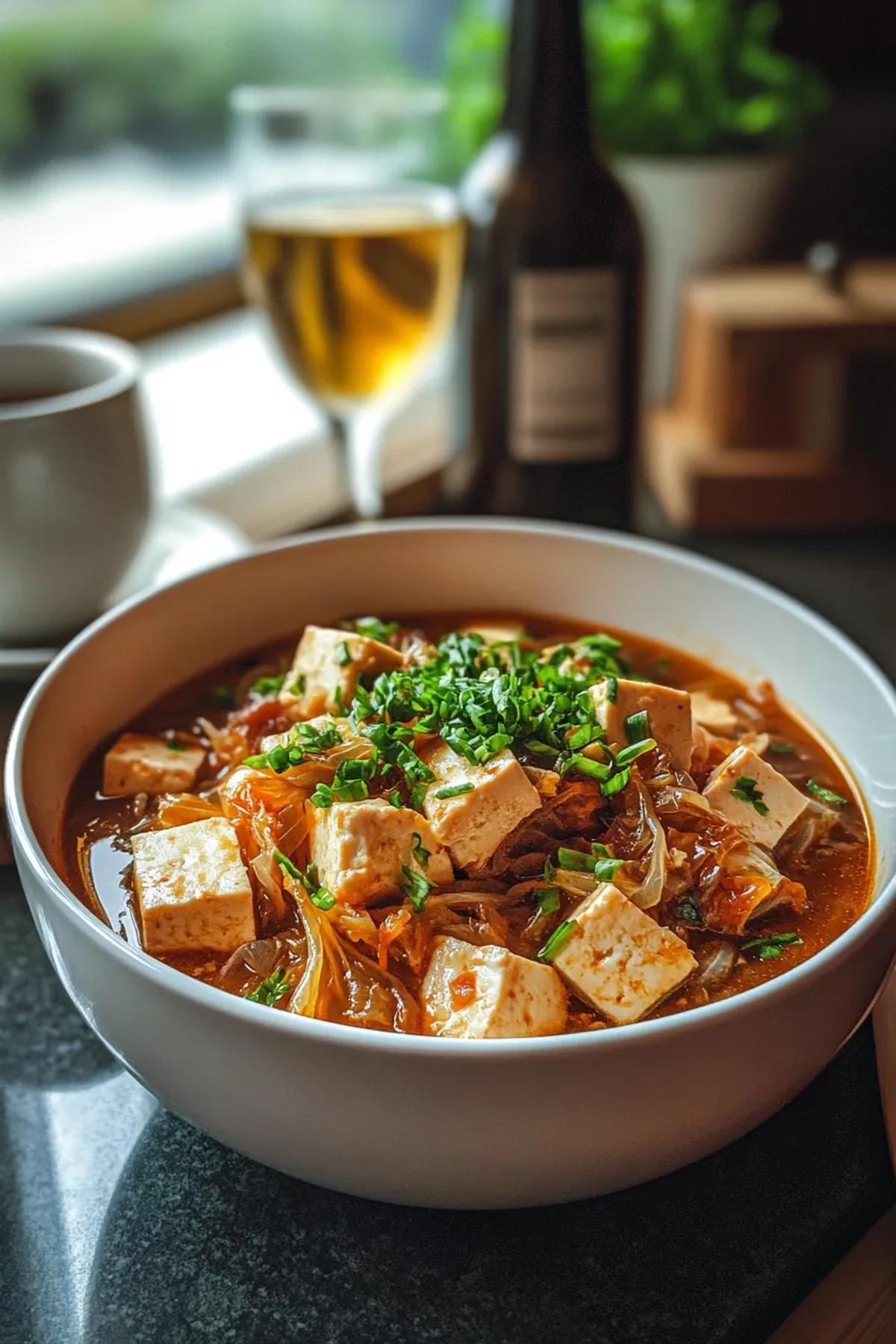
slow cook kimchi stew brims with briny broth, fermented tang, and silky tofu, delivering comfort in every spoonful. Discover the depth of flavor that only a slow‑cooked kimchi stew can bring.
Ingredients
Ingredients
Instructions
Build the Stew
Sear the pork
Heat the Dutch oven over medium‑high heat. Add pork belly slices and sear until golden and fat renders, about 5‑7 minutes. Remove and set aside, leaving the rendered fat in the pot.
Create the aromatics
Add garlic and ginger to the pot, sauté for 30 seconds until fragrant. Deglaze with mirin, scraping up browned bits.
Combine kimchi and pork
Stir in chopped kimchi, gochugaru, and soy sauce. Return pork belly to the pot, mixing everything thoroughly.
Add liquid and slow‑cook
Pour in water or anchovy stock, bring to a gentle simmer, then reduce heat to maintain a low bubble (90‑95°C). Cover and cook for 2½‑3 hours, stirring occasionally.
Finish with tofu
Gently fold in cubed tofu during the last 20 minutes, allowing it to absorb the broth without breaking.
Season and serve
Adjust salt with soy sauce if needed. Drizzle sesame oil, garnish with scallions, and serve hot with steamed rice.
Tools Needed
- Dutch oven or heavy‑bottom pot
- Wooden spoon
- Measuring cups
- Chef's knife
Allergy Info
Contains soy (tofu) and pork