Sun‑Kissed One‑Pot Pasta with Whispering Herbs
Discover the perfect one pot pasta liquid to pasta ratio that creates silky noodles every time, inspired by sun‑kissed Mediterranean flavors. This effortless dish blends fresh herbs, ripe tomatoes, and a hint of lemon for a comforting, weeknight masterpiece.

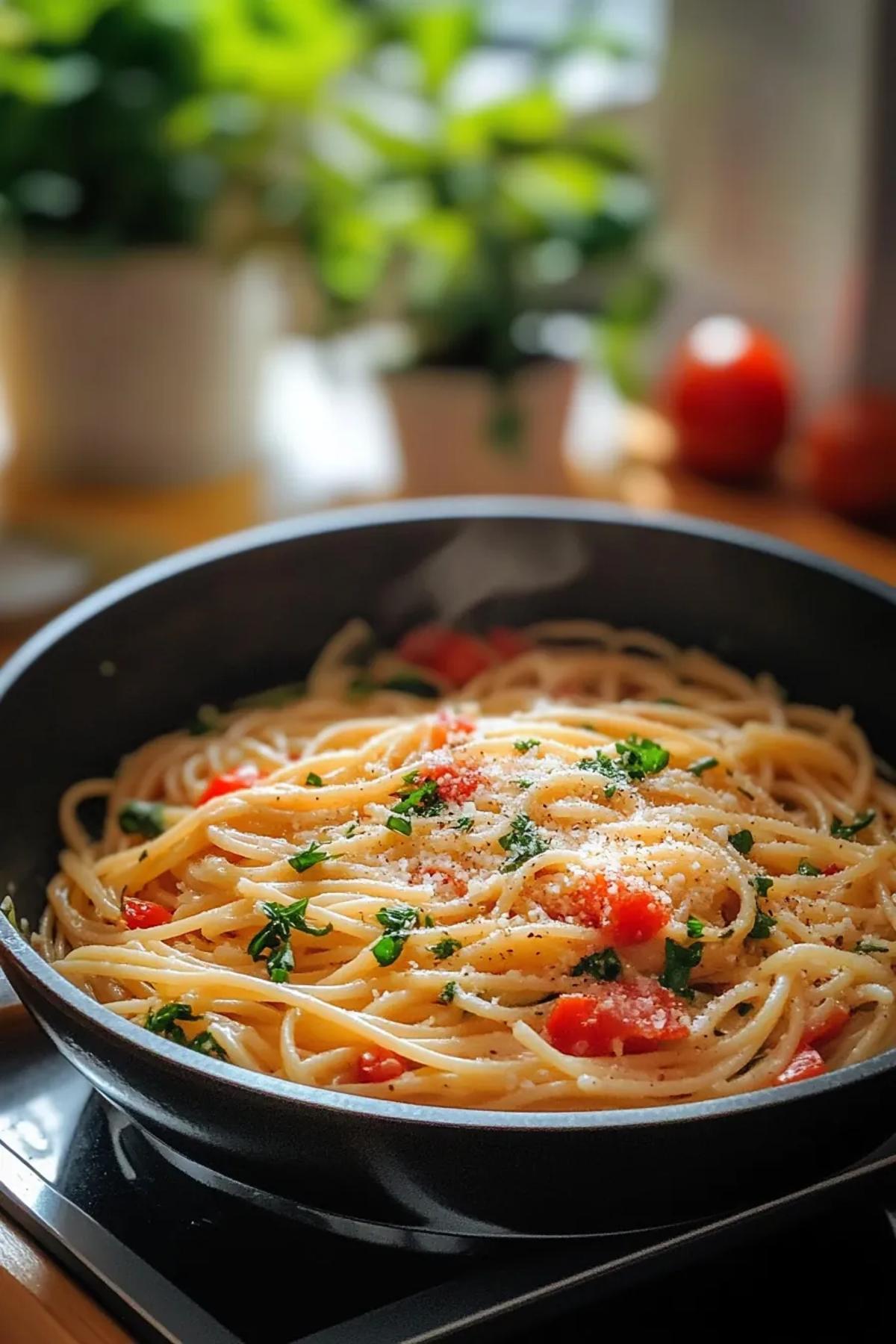
Table of Contents
When I was a teenager, my grandmother would pull a massive skillet onto the patio during the late‑summer evenings, letting the scent of garlic and simmering tomatoes mingle with the sea breeze. I remember the way the steam rose, carrying the promise of a hearty meal that required nothing more than a single pot and a handful of fresh ingredients. Years later, after moving to a bustling city kitchen, I longed to recreate that simple, soulful experience. That longing birthed this recipe, where the secret lies in mastering the one pot pasta liquid to pasta ratio – the precise balance that turns dry noodles into a creamy, sauce‑cloaked delight without any extra cream.
Every time I serve it, the aroma instantly transports me back to those golden evenings, and I love sharing that nostalgic feeling with friends. If you’re curious about other one‑pot wonders, check out my this version for a protein‑packed twist.
Why This Recipe Works
By adhering to the precise one pot pasta liquid to pasta ratio, the pasta cooks evenly while the broth melds with tomatoes, herbs, and a touch of lemon juice, creating a naturally glossy sauce. The starch released from the pasta acts as a thickener, eliminating the need for additional thickeners. This method also reduces cleanup, making it perfect for busy evenings.
Chef's Technique
The science behind the one pot pasta liquid to pasta ratio is deceptively simple: you need just enough liquid to hydrate the pasta while allowing the flavors to concentrate. I use a 2.5:1 ratio of liquid to dry pasta by volume – for example, 2 ½ cups of broth for every cup of uncooked pasta. This ensures the noodles absorb the broth, releasing starches that naturally thicken the sauce. I start by sautéing garlic and onions in olive oil until they turn fragrant, then deglaze with white wine, letting the alcohol evaporate before adding the broth, tomatoes, and pasta.
Stirring frequently during the first ten minutes prevents the pasta from sticking and encourages even liquid absorption. The key is to keep the pot uncovered, allowing excess moisture to evaporate, which intensifies the sauce without the need for cream. For those who love a silkier texture, a splash of reserved pasta water at the end can bring everything together beautifully.
Testing Tip
Before you begin, measure your dry pasta and liquid with a standard measuring cup to maintain the 2.5:1 ratio. After the initial simmer, taste a noodle; it should be al dente with a slight bite. If the pasta is too firm, add a tablespoon of hot broth and continue cooking for another minute. Conversely, if the sauce looks too thin, uncover the pot and let it reduce, stirring gently. For an extra layer of flavor, finish with a handful of grated Parmesan and a drizzle of extra‑virgin olive oil.
For a low‑calorie alternative, consider using Shirataki Noodles: The Zero‑Calorie ‘Miracle’ Noodles and adjust the liquid proportion accordingly.
Why You'll Love This Recipe
- Perfectly balanced liquid to pasta ratio eliminates soggy noodles.
- One‑pot cleanup saves time and reduces kitchen stress.
- Fresh herbs and lemon brighten the dish for a Mediterranean vibe.
- Customizable with protein or vegetables for any dietary need.
- Rich, creamy texture achieved without cream or butter.
Frequently Asked Questions
Yes, you can prepare the sauce base a day in advance and store it in the fridge. Add the pasta and fresh liquid when ready to cook.
Vegetable broth works well for a vegetarian version, or use chicken broth for added depth.
Cool the pasta to room temperature, then refrigerate in an airtight container for up to 3 days. Reheat gently on the stove, adding a splash of water if needed.
Serving Suggestions
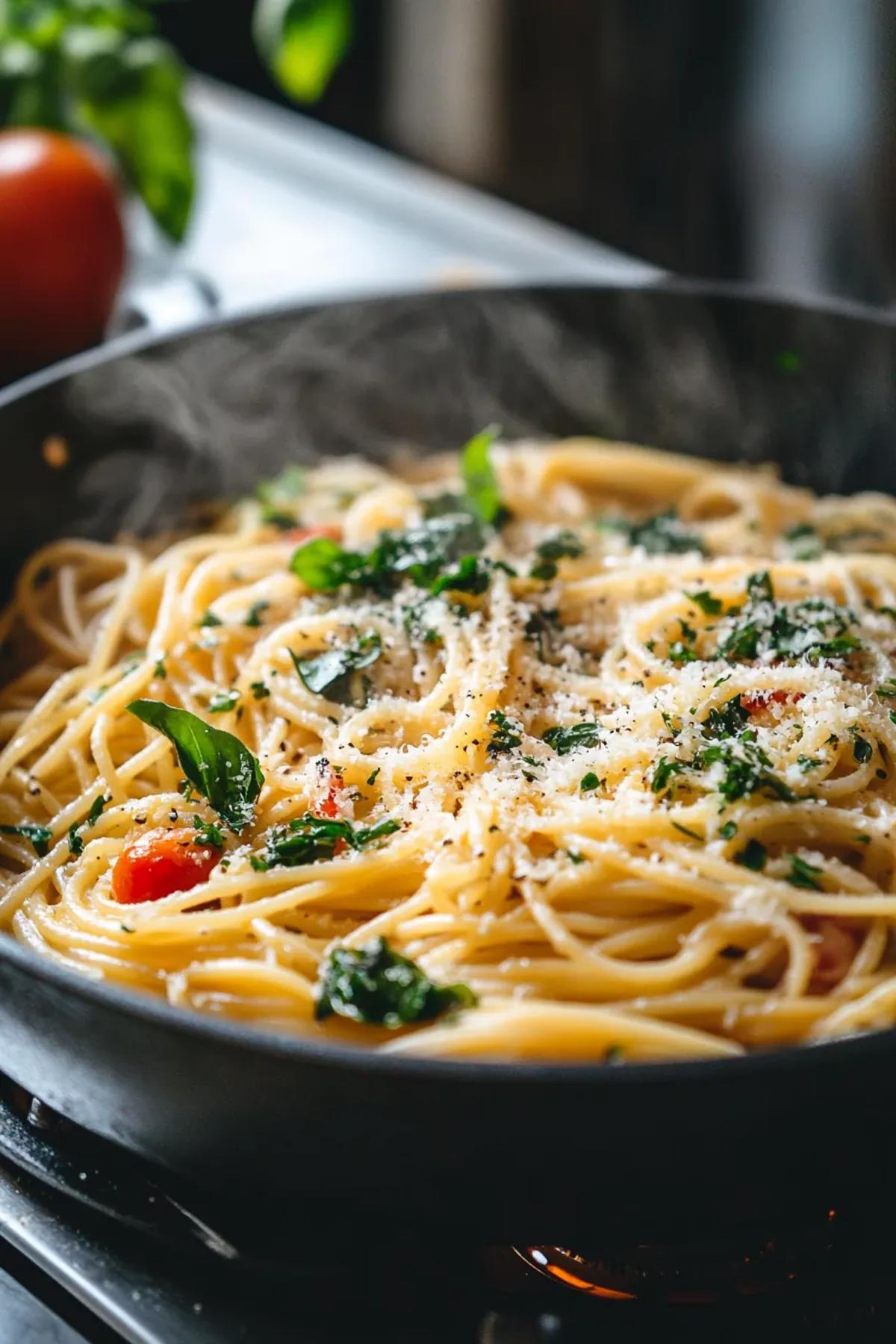
Serve the pasta in shallow bowls, topped with a generous sprinkle of grated Parmesan, a drizzle of olive oil, and a few extra basil leaves. Pair with crusty garlic bread and a crisp white wine for a complete meal.
Expert Tips
- Tip:
Before you begin, measure your dry pasta and liquid with a standard measuring cup to maintain the 2.5:1 ratio. After the initial simmer, taste a noodle; it should be al dente with a slight bite. If the pasta is too firm, add a tablespoon of hot broth and continue cooking for another minute. Conversely, if the sauce looks too thin, uncover the pot and let it reduce, stirring gently. For an extra layer of flavor, finish with a handful of grated Parmesan and a drizzle of extra‑virgin olive oil.
For a low‑calorie alternative, consider using Shirataki Noodles: The Zero‑Calorie ‘Miracle’ Noodles and adjust the liquid proportion accordingly.
Creative Variations
Storage & Reheating
Final Thoughts
Sun‑Kissed One‑Pot Pasta with Whispering Herbs
Discover the perfect one pot pasta liquid to pasta ratio that creates silky noodles every time, inspired by sun‑kissed Mediterranean flavors. This effortless dish blends fresh herbs, ripe tomatoes, and a hint of lemon for a comforting, weeknight masterpiece.
Ingredients
Ingredients
Instructions
Cooking Steps
Sauté aromatics
Heat olive oil in a large heavy‑bottomed pot over medium heat. Add the diced onion and cook until translucent, about 3 minutes. Stir in the minced garlic and sauté for another 30 seconds until fragrant.
Deglaze and build the broth
If using, pour in the white wine, stirring to loosen any browned bits from the pot. Let it reduce by half, then add the vegetable broth and cherry tomatoes. Bring the mixture to a gentle boil.
Add pasta and maintain the ratio
Stir in the dry penne pasta, ensuring it is submerged. Maintain the one pot pasta liquid to pasta ratio of 2.5 : 1 by adjusting the broth if needed. Reduce heat to a simmer and cover partially.
Finish with herbs and cheese
When the pasta is al dente and the sauce has thickened, remove the pot from heat. Fold in the torn basil, lemon zest, and grated Parmesan. Season with salt and pepper to taste.
Serve
Plate the pasta in shallow bowls, drizzle with a little extra‑virgin olive oil, and garnish with additional basil leaves and Parmesan.
Tools Needed
- Large, heavy‑bottomed pot
- Wooden spoon
- Measuring cup
Allergy Info
Contains wheat (pasta) and dairy (parmesan)